Emergency food storage that your household will actually eat
The best emergency food is food you already like, that needs no fridge and little or no cooking.
Reviewed October 2026
Items with a Shop link go to Amazon. As an Amazon Associate we earn from qualifying purchases, at no extra cost to you. See our affiliate disclosure.
How much to keep
Keep at least several days of non-perishable food for everyone in the house, and two weeks if you have space. A simple way to plan is three meals per person per day. Two people for two weeks is 84 meals. The supply calculator works this out for your household.
What to buy
Choose foods that keep without refrigeration, need little water to prepare, and can be eaten cold if you lose power and can't cook.
- Ready-to-eat protein: canned tuna, chicken, salmon and beans, peanut butter and other nut butters
- Canned fruit and vegetables: packed in juice or water rather than syrup where possible
- Grains and snacks: crackers, granola and cereal bars, dry cereal, rice cakes
- Shelf-stable drinks: boxed or canned milk, juice boxes, powdered drink mixes
- Comfort food: a few things your family looks forward to. It helps more than it sounds, especially with children.
- Special diets: infant formula, baby food, and anything needed for allergies or medical diets
- Pet food: enough for the same number of days as your household supply
Freeze-dried meals last for years and are light to carry, which makes them useful for go bags. They do need water to prepare, so count that water in your supply.
Don't forget a manual can opener. It is on every official kit list for a reason. Add disposable plates, cups and utensils too, so you don't use stored water for washing up.
Store it well
- Keep canned food in a cool, dry place.
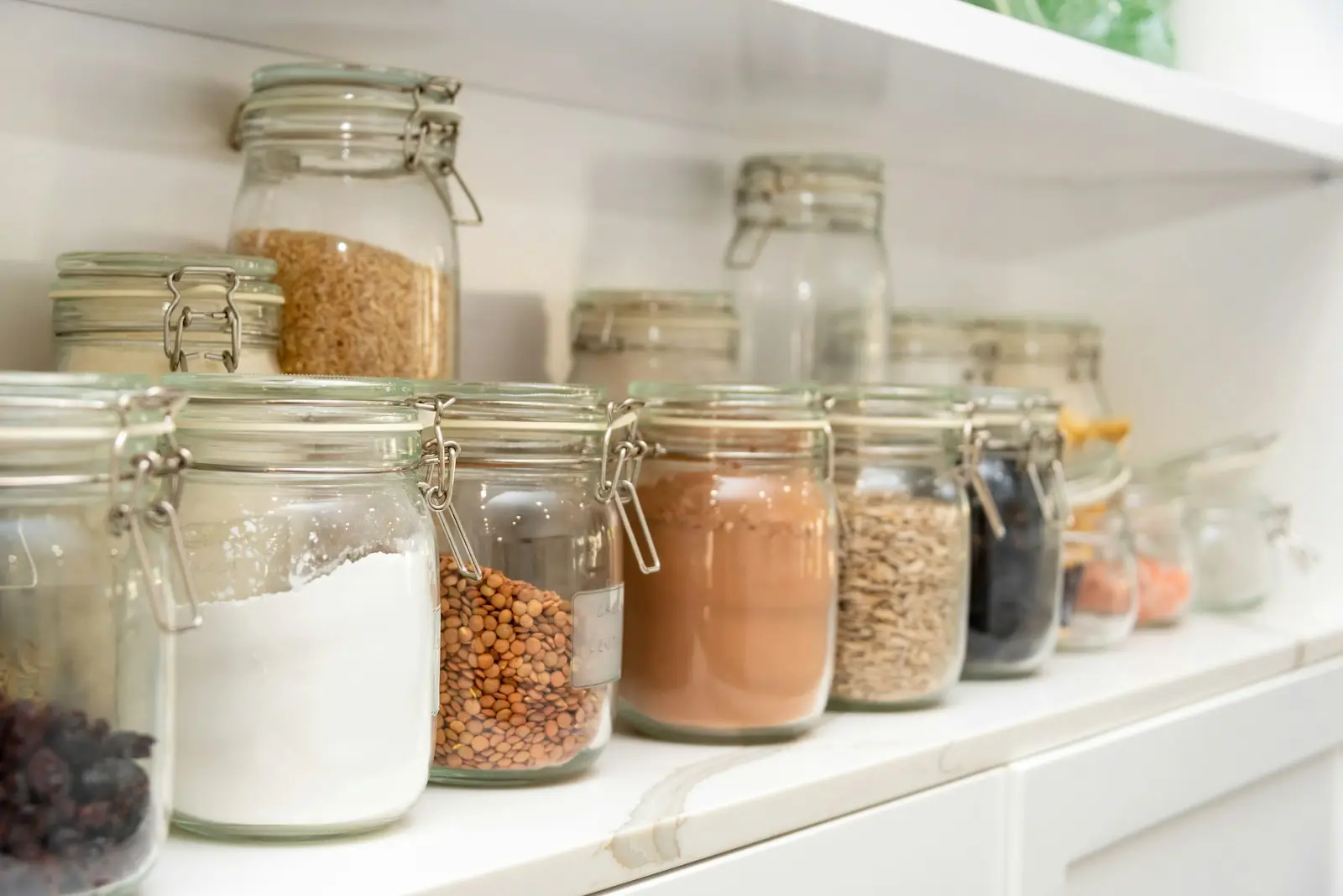
- Store boxed food in tightly closed plastic or metal containers to keep out pests and moisture.
- Avoid storing food near heat sources, which shortens shelf life.
Rotate so nothing goes to waste
Write the purchase month on each item with a marker and put new items at the back. Once or twice a year, move food that is close to its date into your everyday pantry and replace it. Pick a date that is easy to remember, such as the start of hurricane season on June 1.
Cooking without power
Use a camp stove, grill or other fuel-burning cooker outdoors only, at least 20 feet from windows, doors and vents. Never use one inside a home, garage, tent or camper, because carbon monoxide builds up quickly and can kill. Never use a gas oven or stovetop to heat your home.
Food in the fridge and freezer
When the power goes out, eat food from the refrigerator first, then the freezer, and only then your stored supply. Keep the doors closed as much as possible. Our power outage guide explains how long each stays safe and what to throw away.
For packing your own meals
- Mylar bags with oxygen absorbersSponsored pickShop on Amazon (opens in a new tab)
Gusseted bags for portioning dry foods like oats, pasta and soup mix into ready meals you finish with boiling water. Seal them well and keep them somewhere cool, dark and dry.
Items marked Sponsored pick link to one specific product. The brand pays us a higher commission when you buy it through our link, at no extra cost to you. We only feature products that suit the guide.
Sources
- Build a kit, FEMA Ready.gov
- What to do during a power outage, CDC
- Food safety in a disaster or emergency, FoodSafety.gov