How to stay warm without power
A house loses heat slowly at first. What you do in the first few hours, and what you never do, makes the biggest difference.
Reviewed October 2026
Items with a Shop link go to Amazon. As an Amazon Associate we earn from qualifying purchases, at no extra cost to you. See our affiliate disclosure.
Keep the heat you have
- Close off rooms you don't need and gather everyone in one.
- Block drafts. Stuff towels or rags under doors.
- Cover the windows at night with curtains or blankets. Open them on sunny days to let the sun warm the room.
- Keep doors to the outside closed as much as you can.
Dress in layers
| Layer | Wear | Why |
|---|---|---|
| Inner | Wool, silk or polypropylene | Holds body heat and doesn't soak up sweat |
| Middle | Wool, down or fleece | Insulates |
| Outer | Something tightly woven, ideally wind- and water-resistant | Keeps cold air and damp out |
Add a hat, gloves and warm socks, and stay dry: wet clothes chill the body fast. At night, share a room, add blankets and sleeping bags, and keep everyone close.
Heat safely
Never heat your home with a gas stove or oven, a grill, a camp stove or a generator. They give off carbon monoxide, which has no smell and kills people every winter. Run generators outdoors only, at least 20 feet from windows, doors and vents.
- Space heaters: keep them at least 3 feet from curtains, furniture, bedding and anything else that can burn. Choose electric heaters with automatic shut-off and non-glowing elements. Plug them straight into the wall, not an extension cord, and don't use one with a damaged cord or that sparks.
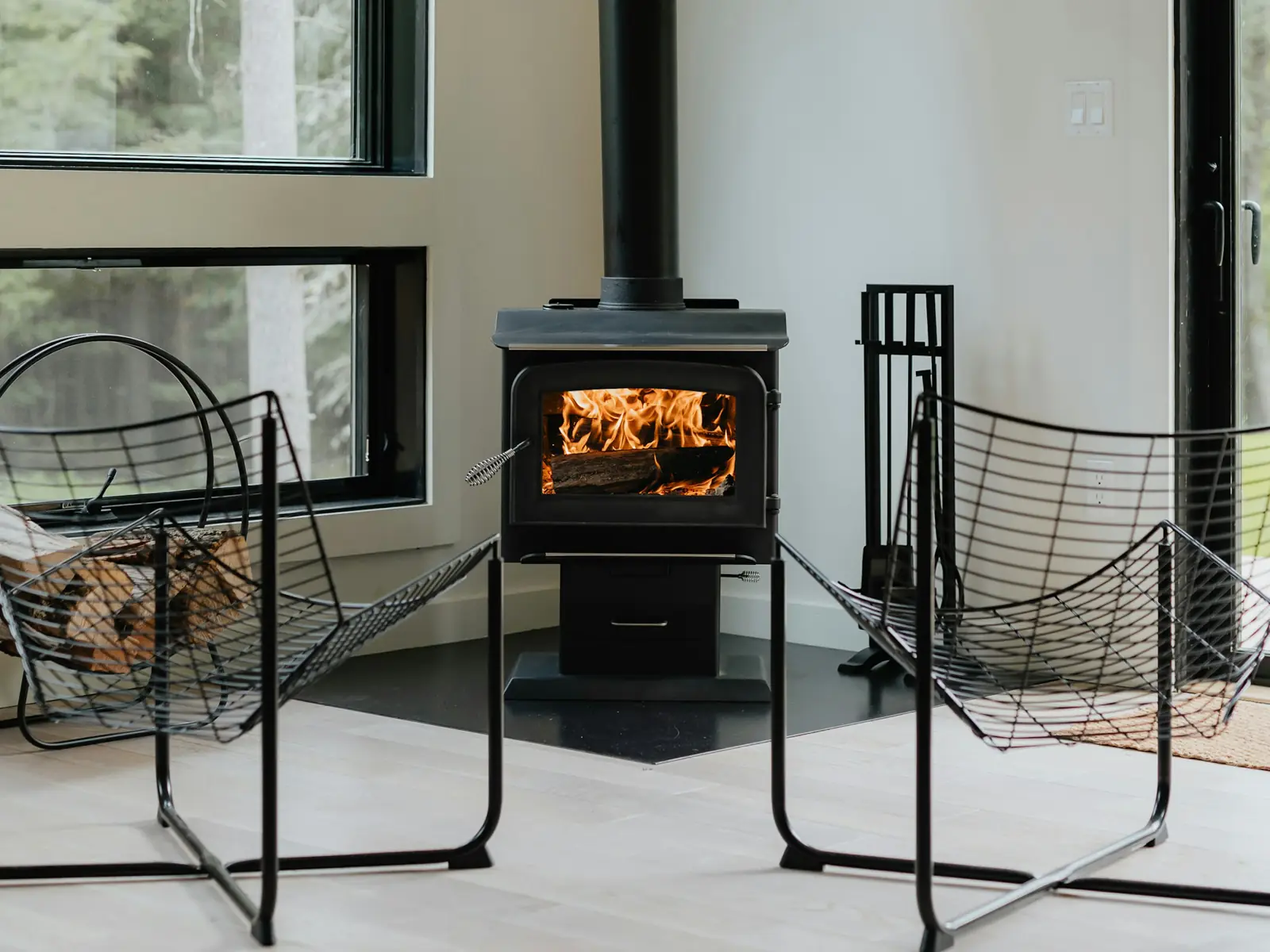
- Fireplaces and wood stoves: use them only if they're vented to the outside and the flue doesn't leak smoke into the room. Don't burn paper.
- Carbon monoxide detector: put a battery-powered one near where people sleep and test it. See our smoke and CO alarm check.
Watch for cold injuries
Hypothermia happens when the body loses heat faster than it makes it. Warning signs in adults are shivering, exhaustion, confusion, fumbling hands, memory loss, slurred speech and drowsiness. Babies may have bright red, cold skin and very low energy. If someone's temperature is below 95°F, it's an emergency: get medical help right away.
Frostbite shows as white or grayish-yellow skin that feels unusually firm or waxy, and numbness. Get medical care if you see these signs.
- Babies under a year old should never sleep in a cold room.
- People over 65 should check the room temperature often in very cold weather.
When to leave
If you can't keep your home warm, don't wait. Go to a friend's or relative's home, or a warming center opened by your local officials. Before a storm, see our winter storm guide, and for food and medicine during an outage, see the power outage guide.
Gear for staying warm
- Balaclava and insulated glovesSponsored pickShop on Amazon (opens in a new tab)
For trips outside to clear snow or check on neighbors, when wind chill makes exposed skin the first thing to freeze.
Items marked Sponsored pick link to one specific product. The brand pays us a higher commission when you buy it through our link, at no extra cost to you. We only feature products that suit the guide.