Growing food in an emergency: what a small garden can do
A garden won't replace a stocked pantry, but it can stretch one, and it's a skill worth having before you need it.
Reviewed October 2026
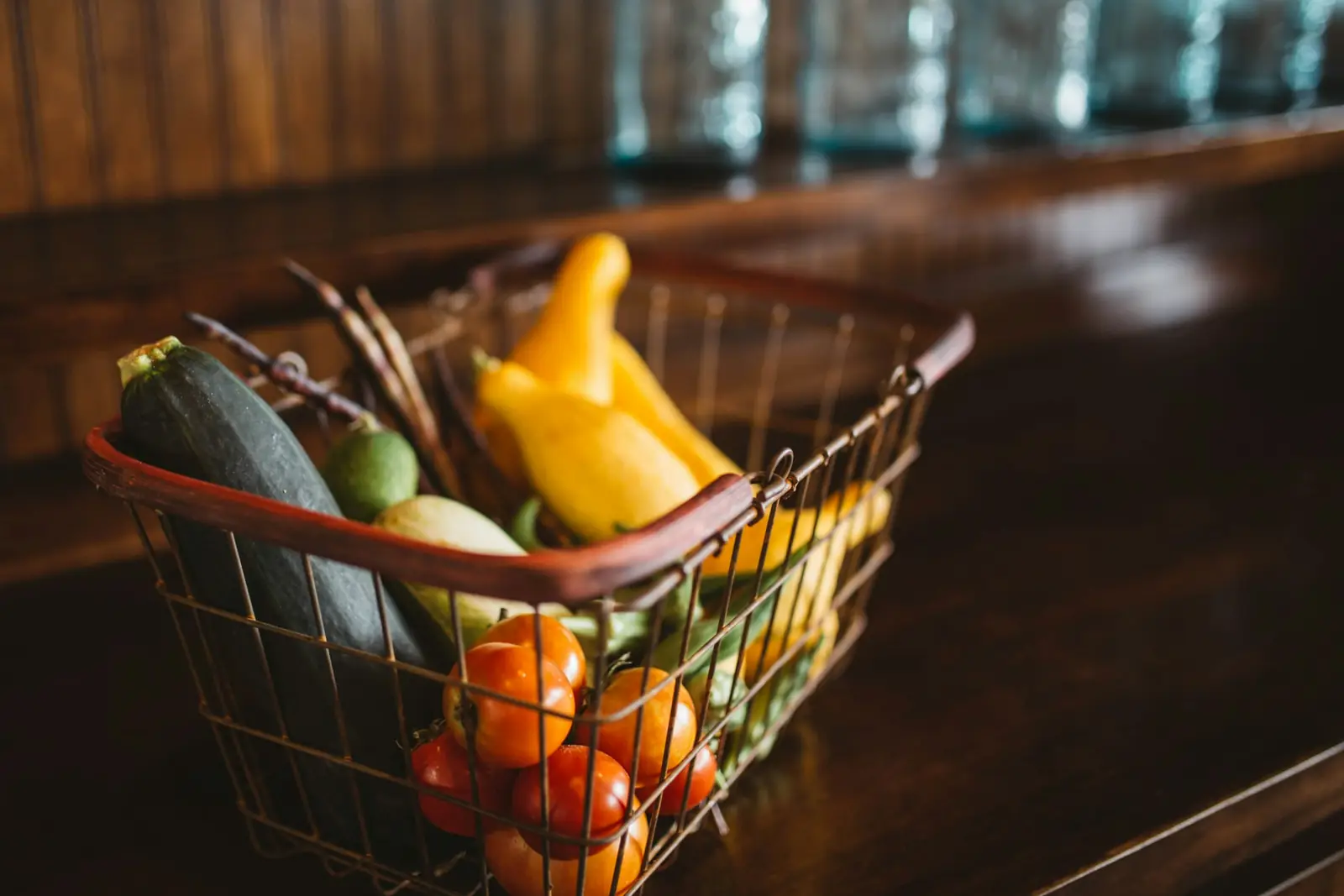
Be realistic
Even fast vegetables take six weeks or more from seed to harvest, and a garden depends on the season, water and your local frost dates. Treat it as a way to add fresh food to your stored supply, not a replacement for it. The best time to learn is now, while a failed crop doesn't matter.
Start with fast, forgiving crops
| Crop | Days to harvest | Notes |
|---|---|---|
| Zucchini | 40–55 | Warm weather |
| Spinach | 40–60 | Cool weather |
| Lettuce | Heads 60–85; baby leaves sooner | Cool weather |
| Green beans (bush) | 50–60 | Warm weather |
| Kale | 50–70 | Cool weather; sweeter after a frost |
| Cucumbers | 50–65 | Warm weather |
Days are typical ranges from university Extension planting guides. Varieties and weather change them.
Plant at the right time
Cool-weather crops such as spinach, lettuce and kale go in before or around your last spring frost. Warm-weather crops such as beans, squash and cucumbers wait until after it. Look up the average frost dates for your area on How To Grow's frost date pages, or get a month-by-month planting calendar for your ZIP code.
Water
Vegetables need steady water, especially while seeds sprout and fruit forms. Don't use your stored emergency drinking water on the garden. A rain barrel or watering early in the morning makes water go further.
Keep seeds ready
- Store seed packets cool, dark and dry, such as in a sealed jar.
- Check the date on the packet. Older seed sprouts less reliably, so replace it every few years and sow old seed more thickly.
- Start with what you'll eat. A few crops you like and know how to grow beat a big packet of unfamiliar ones.
Make the surplus last
When a crop comes in all at once, can, freeze or dry the extra. Our home canning guide explains how to do it safely.
Sources
- When to plant your vegetable garden, UNH Cooperative Extension
- Vegetable planting chart, University of Georgia Extension
- Vegetable planting guide and recommended planting dates, Virginia Cooperative Extension